If you feel like you’ve tried every expensive cream and facial under the sun but your skin still looks "tired," you aren’t alone. While traditional fillers have their place, the biggest shift in aesthetics right now is regenerative medicine.
I am a great advocate for treatments that encourage the skin to repair itself. We are moving away from simply "filling" lines and towards a future where we teach our skin to behave like a younger, healthier version of itself.
Enter Polynucleotides.
You might have heard them called the "salmon sperm facial," which—let’s be honest—sounds a bit odd. But ignore the nickname; this treatment is one of the most exciting tools we have for natural, long-term skin and hair health.
In simple terms, polynucleotides are highly purified DNA fragments. When injected, they act as a reboot button for your cells.
Instead of just masking signs of ageing, they act as "cell signalers." They send direct messages to your skin and scalp, telling them to calm inflammation, repair damage, and start producing fresh collagen and elastin again. It isn’t a quick fix; it’s a biological upgrade.
As we age, our skin loses its "snap," becoming crepey and thin—especially on the face and the backs of the hands. For those fine lines around the mouth (the perioral area), polynucleotides restore thickness and elasticity from within. Because it’s your own body doing the work, the result is entirely natural.
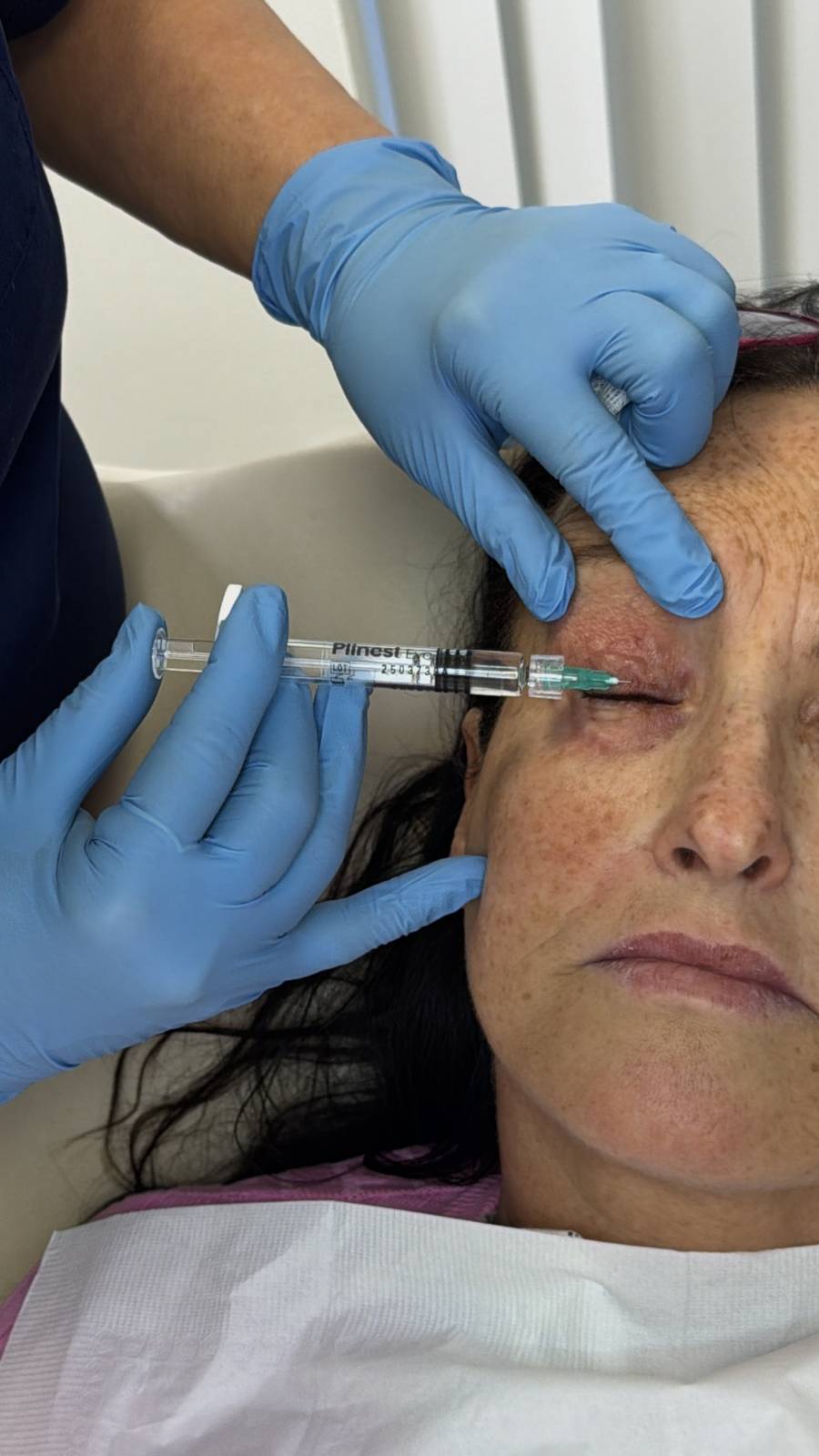
The skin under our eyes is notoriously thin and hard to treat. Fillers in this area can sometimes look puffy or unnatural. Polynucleotides are different; they strengthen the delicate tissue, helping to fade dark circles and smooth out fine lines by actually thickening the skin.
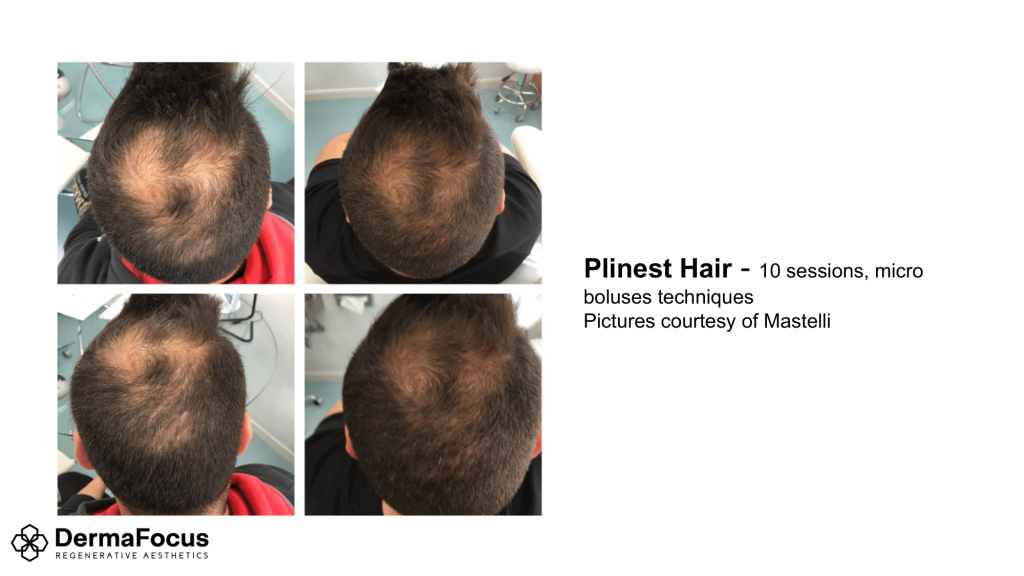
One of the most impressive uses for polynucleotides is on the scalp. For anyone noticing thinning hair or excessive shedding, this treatment can be transformative. It reduces scalp inflammation and "awakens" dormant hair follicles, encouraging thicker, stronger hair growth.
Because we are triggering a biological repair process, results build over time. While every patient is different, here is a general guide to the protocols we use:
It’s easy to get confused with so many "buzzwords" in the industry. Here is how polynucleotides stack up:
The Verdict: While skin boosters feed the skin, and exosomes offer a glimpse into the future, polynucleotides act as the Site Manager. They give your cells the specific, proven instructions needed to rebuild your skin and hair.
Regenerative medicine is about the long game. It’s not about changing how you look, but about improving how your skin functions. By encouraging your skin to repair itself, we achieve results that are healthy, resilient, and lasting.
A quick reminder: Every skin journey is unique. This post is for information only and isn't a substitute for a medical consultation. We always recommend a face-to-face chat to create a plan tailored specifically to you.